Rumbell Font for Web Design and Brand Identity
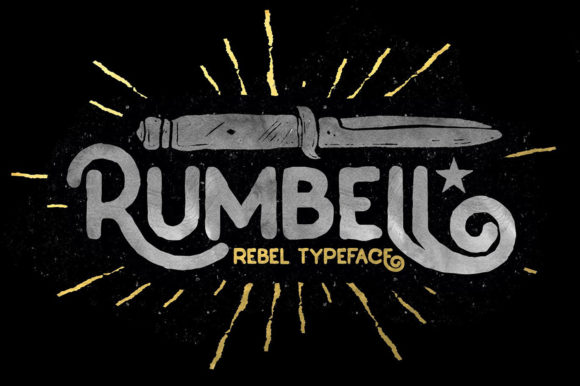
Rumbell is a display font that brings a unique texture and character to digital design. Its rough, cool aesthetic makes it ideal for creative projects where visual impact matters. As a web designer, I’ve found that fonts like Rumbell can elevate the look of headers, banners, and brand-focused content without sacrificing readability or usability.
Visual Characteristics and Style
Rumbell has a distinct texture that adds depth and interest to text elements. It’s not overly ornate but still manages to stand out in a layout. This makes it particularly useful for hero sections, landing pages, and call-to-action areas where you want to draw attention without overwhelming the viewer.
The font's personality is bold yet approachable, making it suitable for a wide range of industries—from creative portfolios to boutique online stores. Its roughness gives it a handcrafted feel, which aligns well with brands that emphasize authenticity and craftsmanship.
Applying Rumbell in Web Layouts
When designing a website, the choice of font plays a crucial role in visual hierarchy and user engagement. Rumbell excels as a headline font due to its strong presence on screen. It works particularly well for section headings, blog titles, and product names in an online store.
I often use Rumbell for creative portfolio sites where the goal is to showcase originality and artistic flair. The font pairs nicely with clean sans serif fonts for body copy, creating a balanced contrast between decorative and functional typography.
For example, a coaching website might use Rumbell for the main title on the homepage, while using a simpler typeface for the rest of the content. This combination ensures that the branding feels cohesive while remaining easy to read.
Readability and Responsive Design
While Rumbell is a display font, it’s important to consider how it performs on different screen sizes. On mobile devices, it’s best used for short phrases or titles rather than long paragraphs. For smaller buttons or navigation links, a more legible font may be better suited.
In responsive layouts, I recommend testing Rumbell at various sizes to ensure it remains readable. When using it against dark backgrounds or image overlays, subtle adjustments in color and spacing can help maintain clarity.
Its texture can sometimes make it harder to read in low-contrast situations, so it's wise to pair it with a high-contrast background or use it sparingly for emphasis.
Font Pairing and Brand Consistency
One of the key aspects of effective typography is font pairing. Rumbell, being a display font, works well when paired with a complementary sans serif or serif font for body text. This creates a clear distinction between headings and body copy, improving overall readability.
For instance, using Rumbell alongside a modern sans serif font like Helvetica or Arial can give your site a polished yet creative look. This is especially useful for editorial designs, course pages, or digital ads where visual appeal needs to be balanced with functionality.
When building a brand identity, consistency across all platforms is essential. Rumbell can serve as a unifying element in your brand kit, appearing in logos, headers, and promotional materials to reinforce brand recognition.
Commercial Use and Licensing
If you're planning to use Rumbell on a client project, online store, or digital template, it's important to check the licensing terms. Many premium fonts require commercial licenses for use in websites, apps, or other digital products. Always ensure that you have the appropriate rights to use the font in your specific context.
Some font packages include multiple weights, alternates, and multilingual support—features that can be valuable for global audiences or complex layouts. Be sure to review these options if your project requires them.
Practical Applications and Examples
Rumbell is versatile enough to work in a variety of contexts. Here are a few practical examples:
- Creative Portfolio Sites: Use Rumbell for project titles or section headers to add a personal, artisanal touch.
- Boutique Online Stores: Apply it to product banners or promotional headlines to create a distinctive brand voice.
- Coaching Websites: Feature it in the main title area to convey confidence and professionalism.
- Digital Ads: Utilize it for short, impactful messages that capture attention quickly.
- Course Sales Pages: Employ it in hero sections to highlight the value proposition clearly.
Each of these applications benefits from the font's ability to communicate both creativity and reliability, making it a great fit for brand-focused web experiences.
Whether you're working on a landing page, app interface, or social media graphics, Rumbell offers a fresh alternative to standard display fonts. Its unique texture and cool aesthetic provide a memorable visual experience that aligns well with modern design trends.