Willicent: A Playful Display Font for Web Design
Using Willicent in Web Design
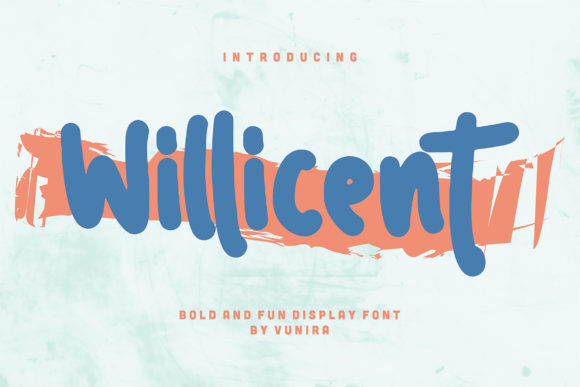
Willicent shines in hero sections, where it can grab attention without overwhelming the viewer. It works well as a headline or title on landing pages, especially for brands that want to convey a friendly, approachable vibe. For example, a boutique online store might use Willicent for its main banner to create a welcoming atmosphere.
When designing a coaching website, Willicent could be used for section headings or call-to-action buttons. Its distinctive look helps guide the user's eye through the page, making important elements stand out. In a course sales page, using Willicent for the headline can immediately communicate the brand’s tone and personality.
Readability and Visual Hierarchy
While Willicent is a display font, its readability is impressive. It maintains clarity even at smaller sizes, which is crucial for responsive layouts. When paired with a clean sans-serif font for body text, it creates a balanced visual hierarchy. This combination ensures that the content remains easy to read while still having a unique design element.
On mobile screens, it’s important to test how Willicent renders. Since it’s a display font, it should be reserved for headlines rather than long blocks of text. Using it sparingly helps maintain readability across different devices and screen sizes.
Brand Tone and User Engagement
The choice of font can significantly influence brand perception. Willicent’s playful nature is perfect for brands that aim to be relatable and engaging. Whether it's a creative portfolio site or a social media graphics toolkit, this font can help reinforce the brand’s identity.
For instance, a digital product creator might use Willicent in their branding materials to reflect a more personal and artistic approach. This kind of attention to detail can increase user engagement by creating a more memorable experience.
Font Pairing and Typography Best Practices
Pairing Willicent with a complementary font can enhance the overall design. A simple sans-serif like Helvetica or Arial can provide contrast and ensure the text remains scannable. This pairing is especially useful for editorial designs, where readability is key.
In a digital brand kit, including Willicent as a primary display font with a secondary sans-serif for body copy creates a cohesive typography system. This approach supports a consistent online identity while maintaining flexibility for different design needs.
Commercial Use and Licensing
Before using Willicent on client projects or online stores, it's essential to check the licensing terms. Most premium fonts require a commercial license for use on websites, landing pages, or digital templates. Ensuring proper licensing avoids potential legal issues and supports the designers behind the font.
Willicent comes with multiple styles and weights, allowing for greater versatility in design. It also supports various file formats, making it easy to integrate into web projects using webfont technology. Checking for multilingual support is another consideration, especially if the font will be used in international contexts.
Practical Applications and Examples
Willicent is particularly effective in short phrases and decorative accents. It works beautifully for logo text when the brand wants a more whimsical or artistic feel. On a portfolio site, using Willicent for project titles can add a unique flair that sets the work apart.
In digital ads, it can be used to highlight key messages or promotions. The font’s distinctiveness helps capture attention quickly, which is crucial in environments where users scan content rapidly.
For an online store, Willicent could be used in banners or promotional headers. It adds a touch of personality to the shopping experience, making the brand more memorable. When used alongside high-quality images, it enhances the overall aesthetic without overpowering the visuals.
On a blog header, Willicent can make the title stand out while maintaining a connection to the brand’s voice. It’s also a great option for branded web content that aims to be both informative and visually appealing.